Blog
The Lumengy Manufacturing Process

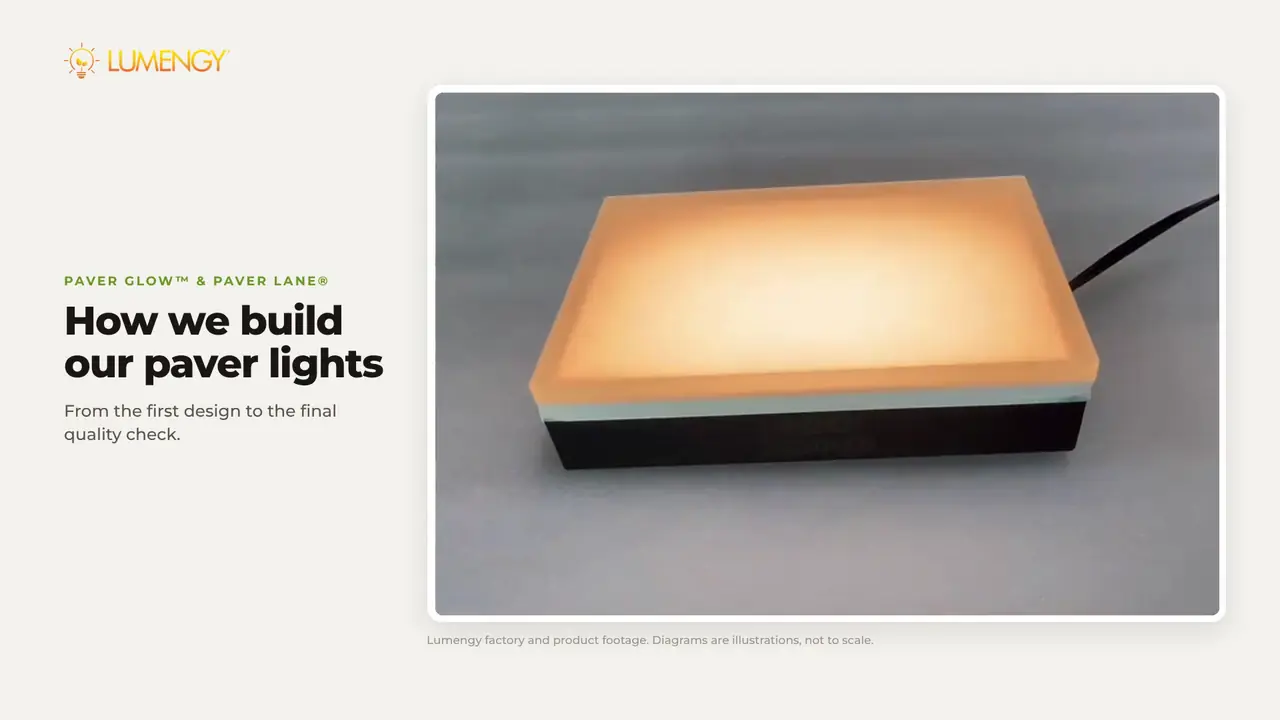
Paver Glow™ & Paver Lane®
From the first design to the final quality check
How we design, build, protect and test our paver lights, with ongoing product development led by our Los Angeles team.
- 1Design
- 2Materials
- 3Assembly
- 4Sealing
- 5Coating
- 6Testing
- 7Final checks
Design
It starts with the right shape and fit
A light installed within paving has to work as part of that installation. We start with the dimensions, straight sides, support, wire route and water protection, before choosing the final materials or starting production.
Paver Glow is shaped to replace a paver within the layout. Paver Lane is designed for the joint between pavers. Each has a different role, but both need a suitable fit, proper support and correct installation.
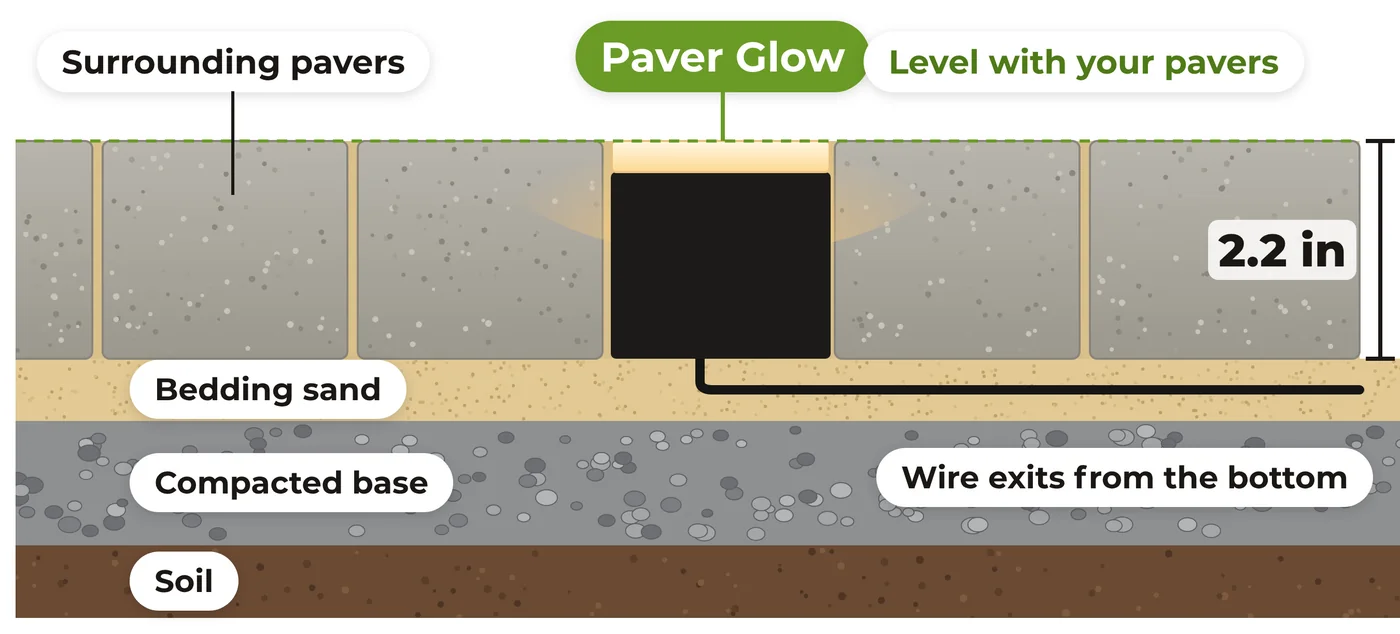
Pavers interlock under pressure, so any gap lets them shift. A light with the same size and shape as the pavers stays tight and level, and the bottom-exit wire keeps the cable route beneath the paving.
Why straight sides matter
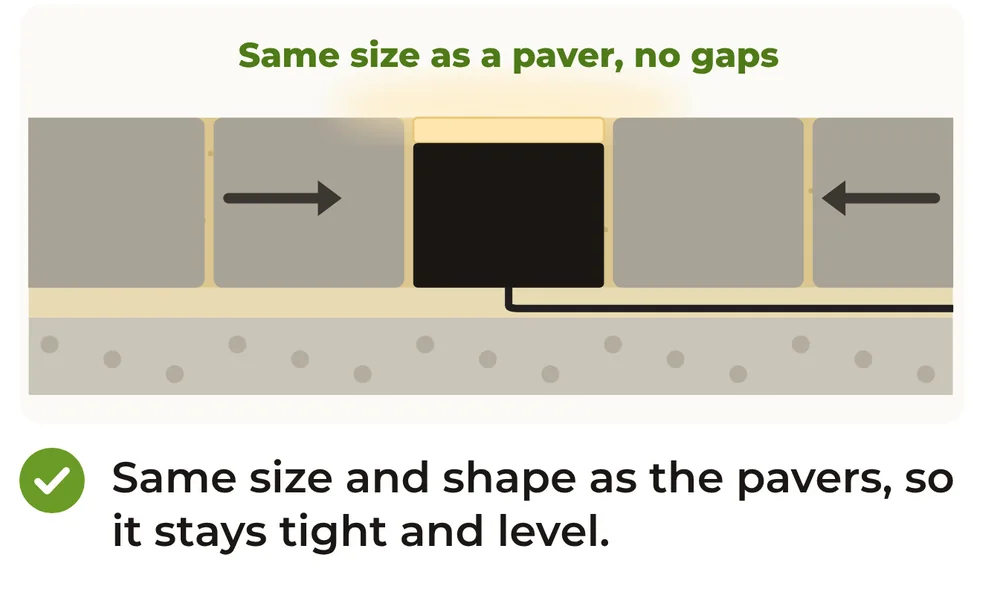
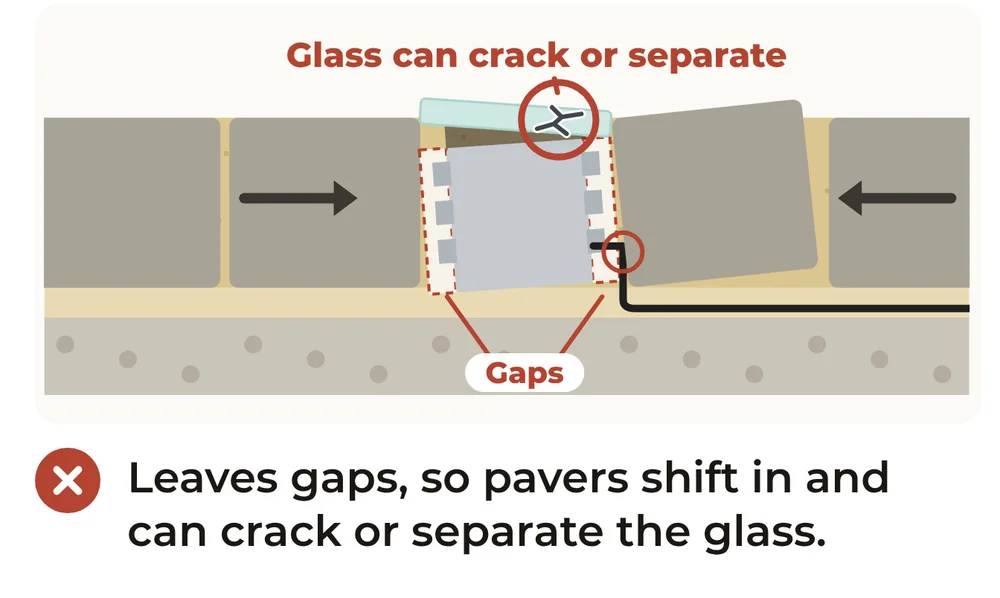
We developed an original paver-shaped design around these practical needs and protected its appearance with a U.S. design patent.
Illustrations only. Follow the selected product’s installation instructions for support, drainage, wiring and permitted traffic.
Materials
Choose materials that work together
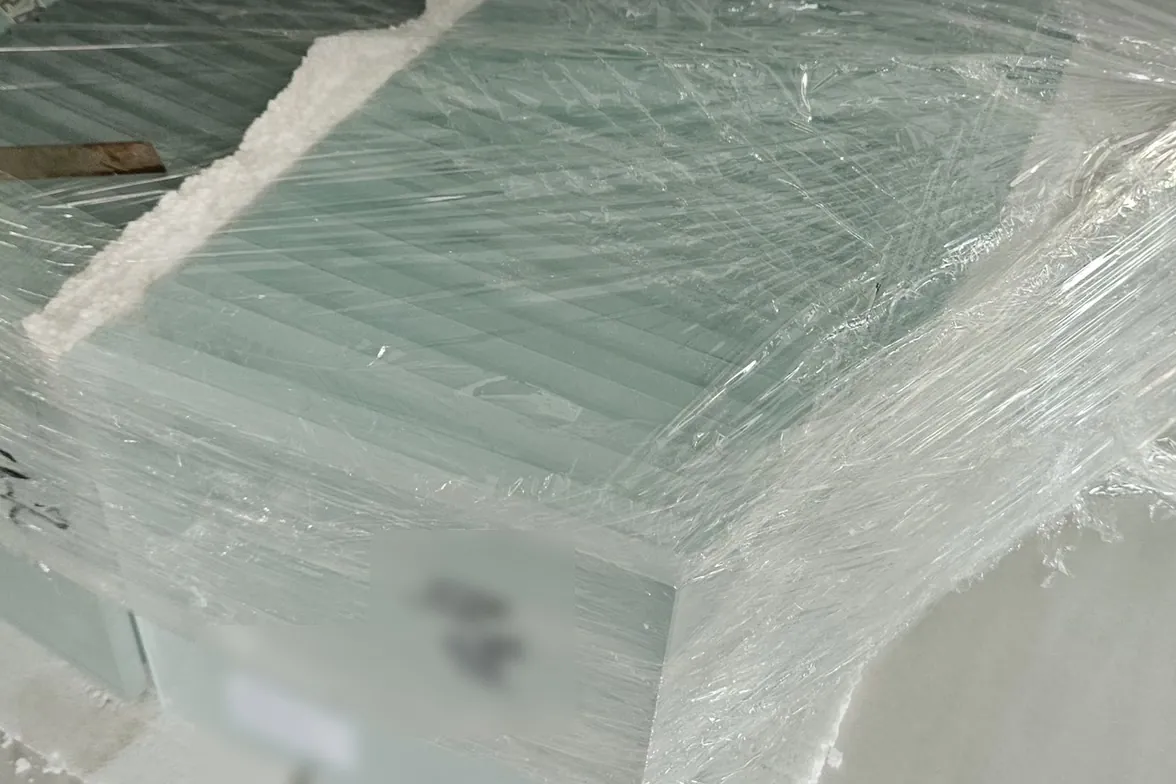
We select stainless steel, premium low-iron glass and protective sealing materials for our glass paver lights. The housing, glass and seals are chosen together, as parts of one complete unit, for the conditions a light faces outdoors: moisture, temperature changes and everyday use.
Assembly
Build every unit with care
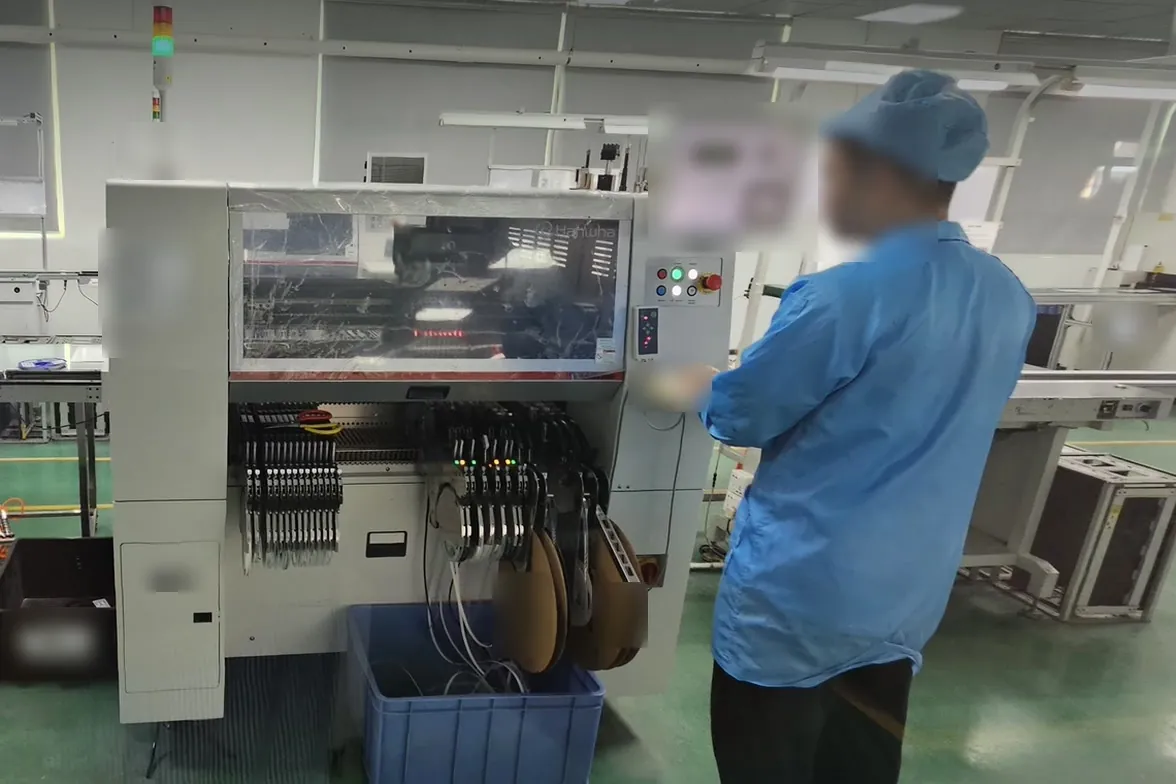
Each unit is assembled with care in the factory, then moves on to sealing.
Sealing
Seal the unit. Protect every LED.
We seal the housing, the glass and the cable entry to help keep water out. One seal sits under the glass on the metal rim, and another seals the top where the glass meets the metal. Inside, every LED is sealed in resin, above and below the LEDs.
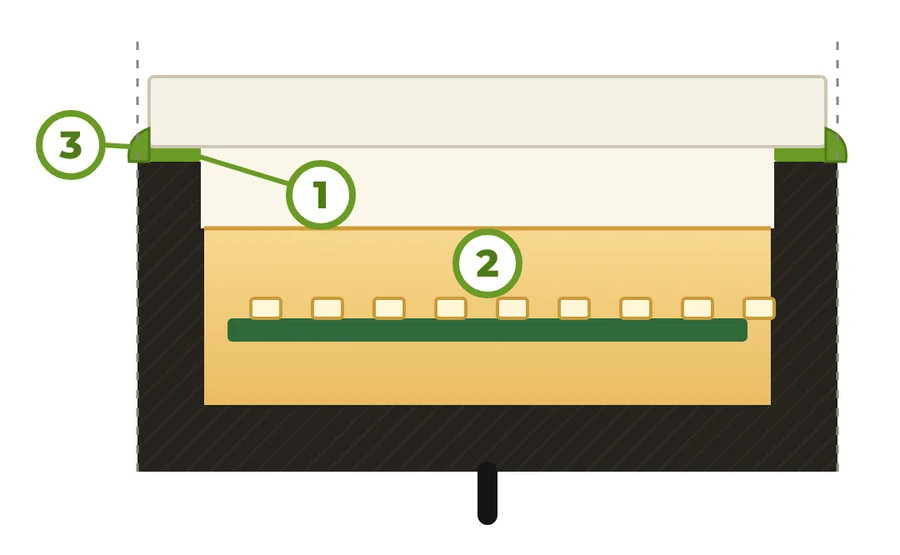
- Seal under the glassOn the metal rim
- Every LED sealedResin above and below the LEDs
- Seal on topWhere the glass meets the metal
Illustration only. It shows the protection in principle and is not a scale drawing of the internal construction.
Protective coating
Another barrier, even on stainless steel
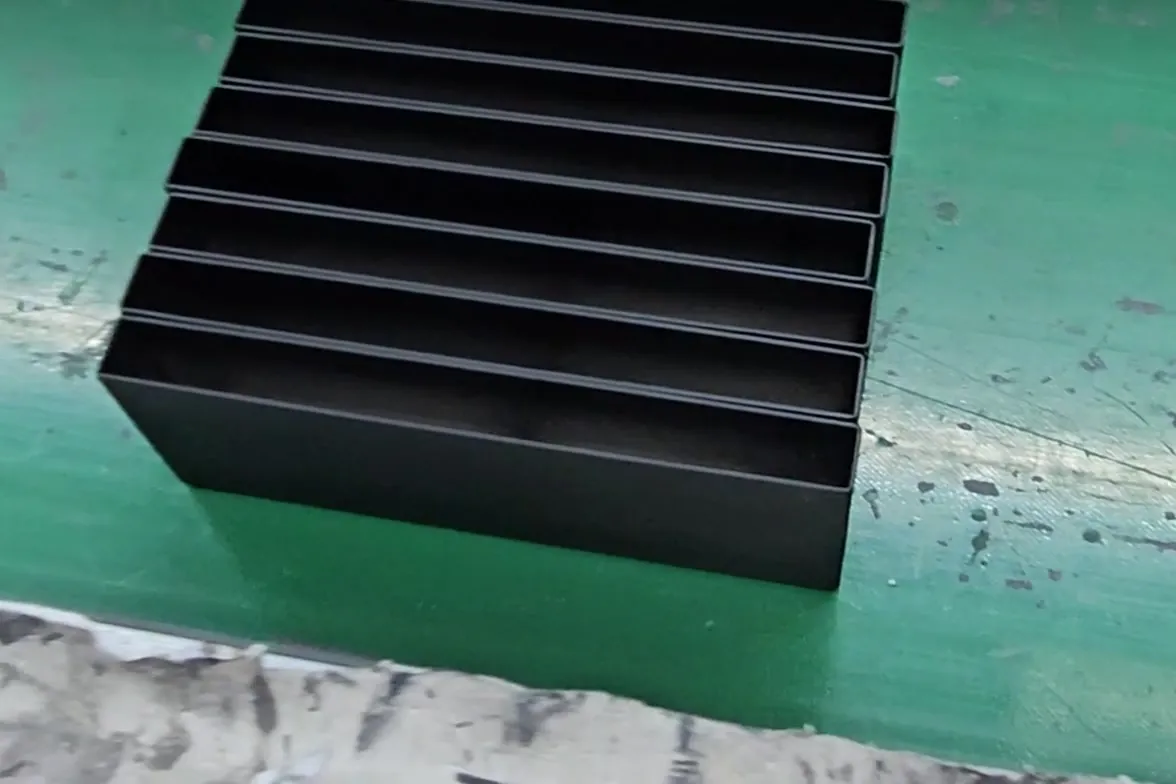
Stainless steel resists corrosion. We also apply a protective paint coating to the housing, adding another barrier against outdoor exposure, alongside the materials and seals.
Testing
Check the lights under real outdoor demands
Our testing program covers Paver Glow and Paver Lane. We test water resistance, heat, cold and operation, and look at how the lights, materials and drainage work together in real installations.
Continuous 72-hour operating checks help find early problems. Water and temperature tests cover different demands, so operating time alone is not the whole quality check.
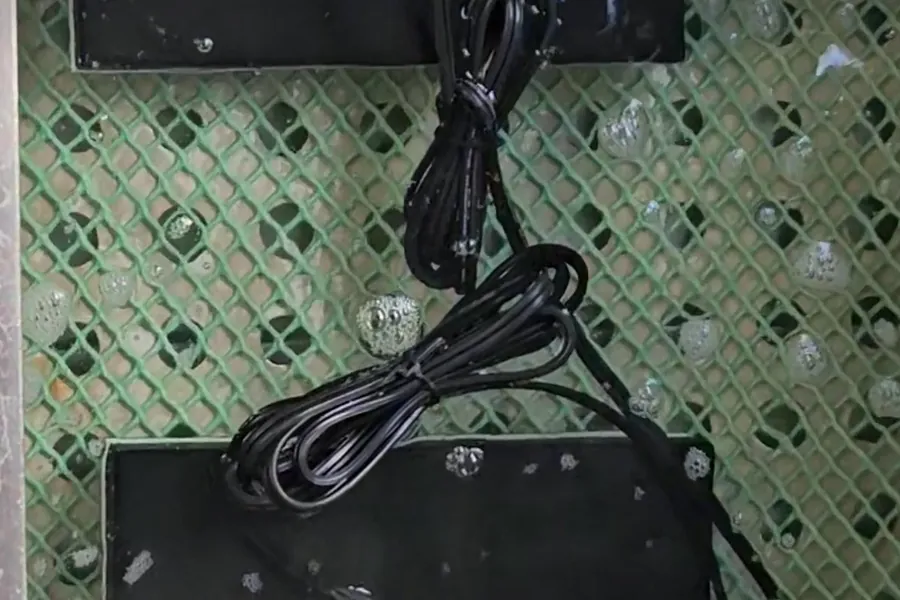 Water test
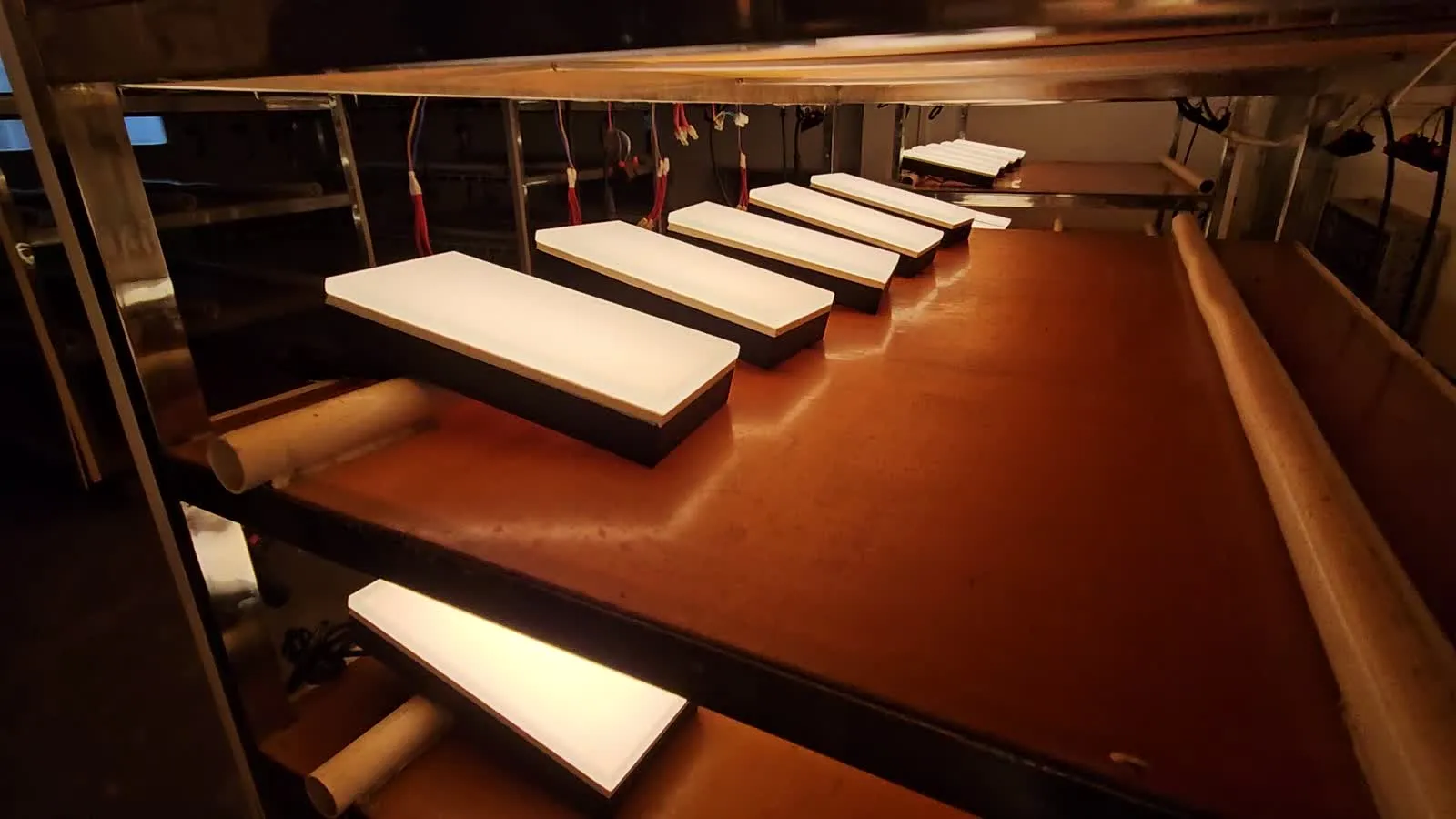 Operating test
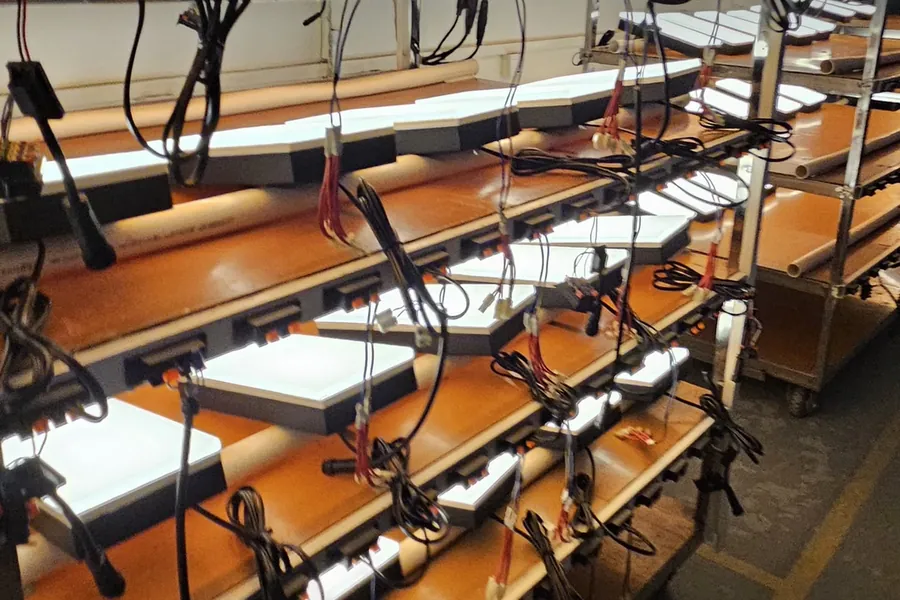 Continuous run
Our IP67-rated models are dust-tight and resist temporary immersion under specified test conditions. They are not made for permanent underwater use.
Final checks & shipment
Pass the required checks. Then ship.
Products must pass the required testing and quality checks before they are released for shipment. Inspection brings it all together: the finished unit, its protection and how it works.
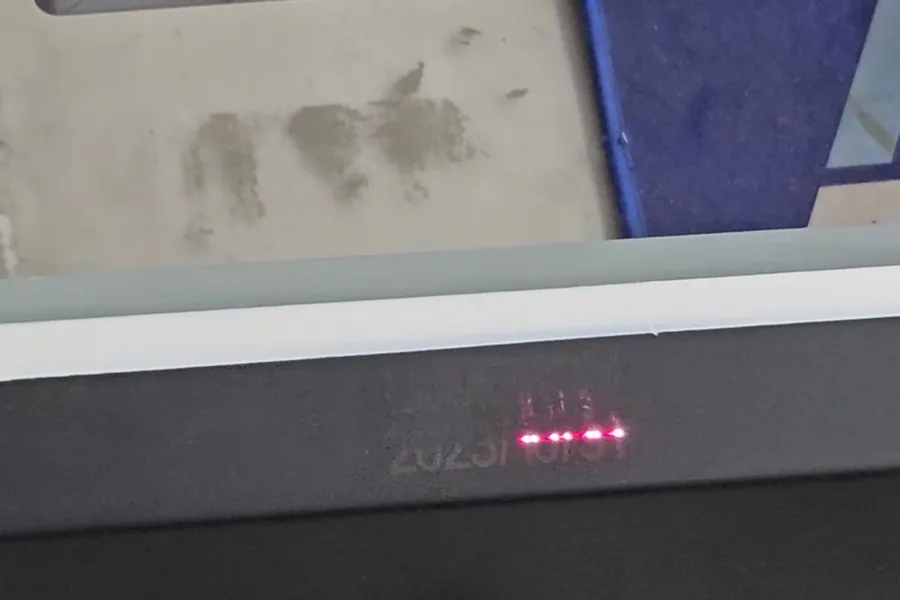 Laser marking
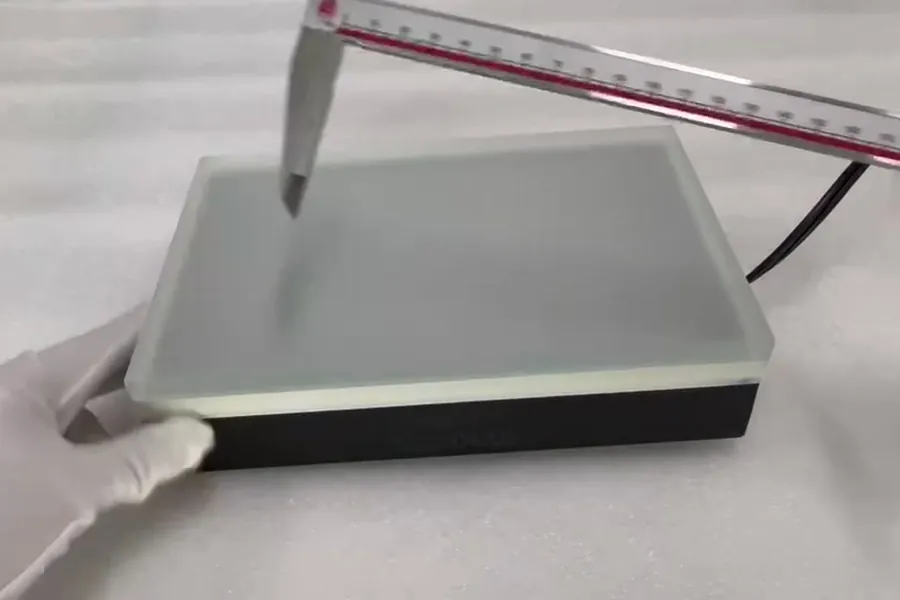 Measuring
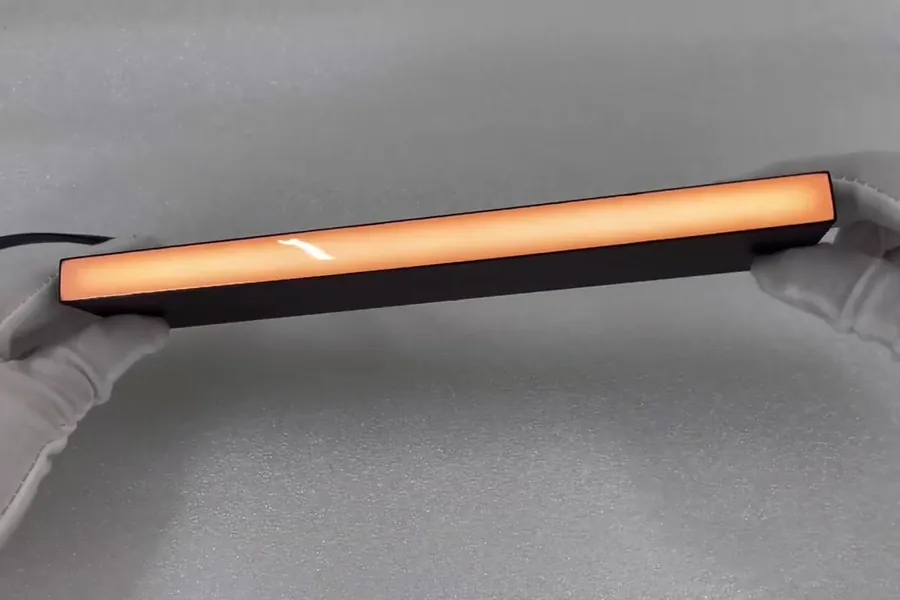 Light check
Ongoing development · Los Angeles
The process keeps moving forward
Our Los Angeles team keeps developing and testing new products, checking quality and improving existing designs. More than 20 years in the paver business helps us turn contractor experience into practical product decisions.
We keep exploring new materials, technology and ideas for contractors and homeowners. The next product starts with what we learn from the last one.