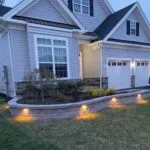
Paver Light

Choose A Transformer For Your Landscape Lighting

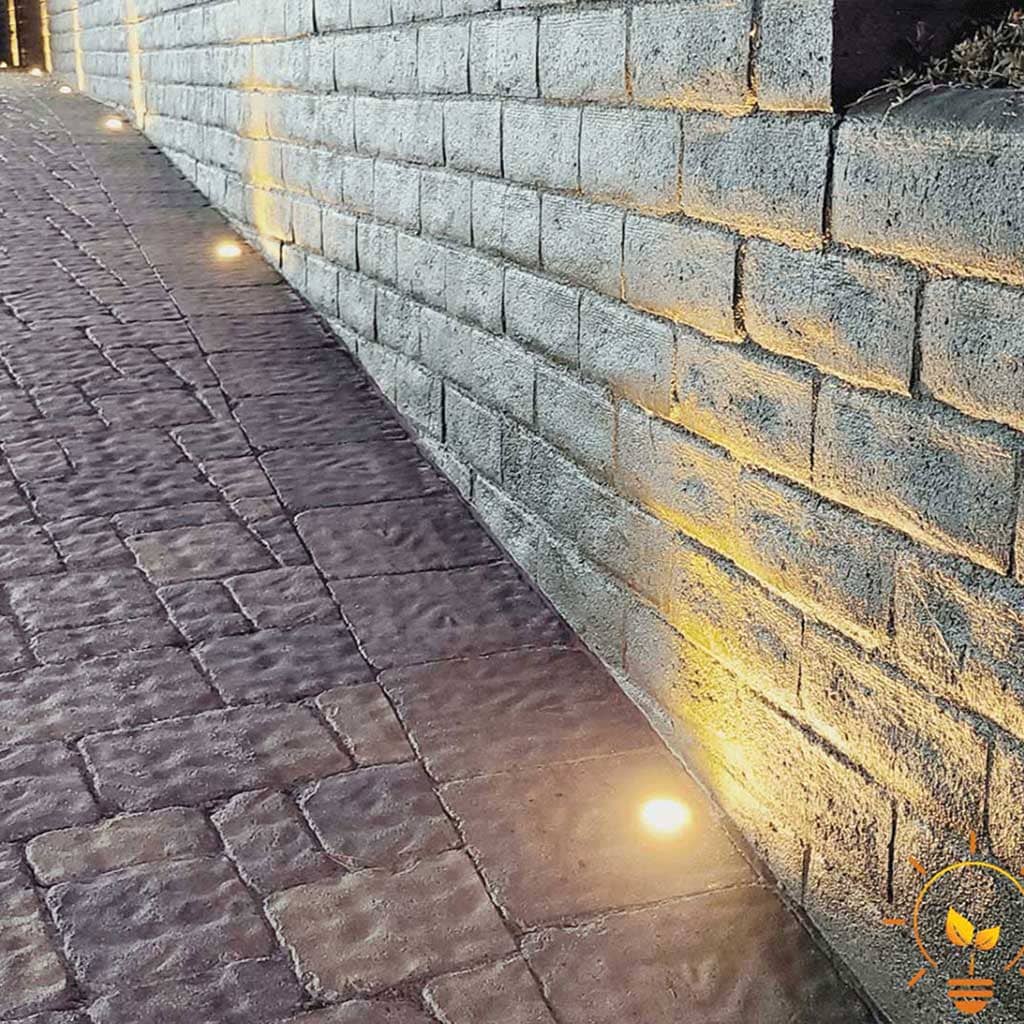
Low Voltage Pavers Illuminate Walls

When it comes to enhancing the beauty and safety of your outdoor space, few things work as effectively as well-placed lighting. Low voltage lighting systems, typically running at 12v volts, have become the preferred choice for illuminating landscapes and hardscapes. In this guide, we'll delve into the world of low voltage transformers, helping you understand how they work, how to pick the ideal one for your specific project, and offering essential tips for achieving a well-lit, energy-efficient outdoor oasis.

A landscape transformer reduces household mains voltage to low-voltage AC. Lumengy 12V AC fixtures require a compatible 12V AC landscape transformer. Always check the exact fixture label and transformer instructions. Multi-tap outputs are for controlled voltage-drop compensation, not permission to exceed a fixture’s rated input voltage.

Add the rated load of every fixture on the system, using the maximum setting for adjustable lights. As a planning guideline, Lumengy recommends keeping the lighting load at or below 80% of transformer capacity, while following the selected transformer’s instructions, including any VA, power-factor and circuit limits. This allowance is different from transformer efficiency.

For example, ten fixtures rated at 3W each total 30W. At an 80% loading limit, the starting capacity calculation is 30 ÷ 0.8 = 37.5W, before any additional manufacturer-required allowances or future expansion. Use the actual wattage of the model you choose.

Voltage drop depends on cable length, wire gauge, connected load and fixture layout. Outdoor 12/2 cable is a common starting point, but it does not guarantee an acceptable voltage over 100–150 feet. Check each run and measure voltage at the nearest and farthest fixtures under load.

Use a higher transformer tap only if the voltage at every fixture remains within that model’s approved range. Thicker cable, shorter runs or splitting the load across separate runs may be needed. Switch off power before changing connections.

Choosing the Right Transformer

Plan where you'll place your transformer, aiming for the shortest distance to your low voltage lights.

Calculate the total rated load, apply the transformer manufacturer’s loading requirements, and allow capacity for planned additions. Doubling or tripling the load is not a universal requirement. Check the limits of each output circuit and cable run as well as the transformer’s total capacity.

Many transformers come with built-in timers for automated lighting control. If you have different groups of lights, multiple timers can be handy.

Transformers often include light sensors that switch your lights on at dusk and off at dawn.

While some transformers offer advanced smart features, a budget-friendly option is combining a standard transformer with a smart outdoor plug. This setup connects to various smart home systems and is easy to manage.

To ensure reliable and efficient outdoor lighting, invest in a high-quality transformer. Cheaper or overloaded transformers can lead to overheating or annoying humming noises. Prioritize quality for a safe and enjoyable outdoor lighting experience.

To find your transformer, search on google or Amazon for "low voltage landscape transformer"

Related guide: for a step-by-step transformer calculation, see the transformer section of our paver light planning guide.

Buy Our Products